Building Modeling for Design Excellence
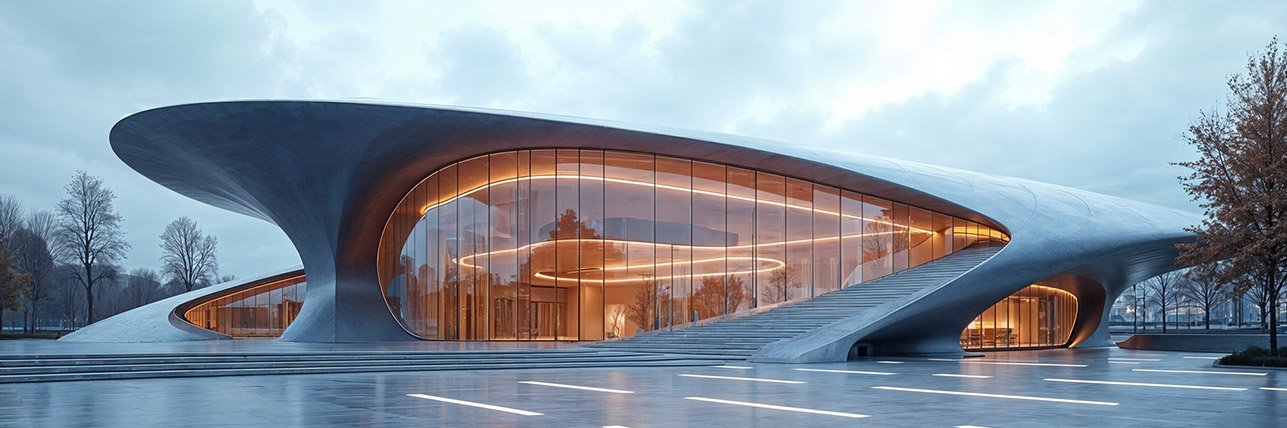
In the contemporary realm of architecture, architectural modeling has emerged as an indispensable tool for achieving design excellence. It empowers architects to conceptualize their visions in a virtual environment, fostering a deeper understanding of form, space, and function. Through iterative manipulation, architects can test various design alternatives, ultimately arriving at a sophisticated solution that fulfills the client's needs and aspirations.
Unveiling Architectural Visions: The Power of 3D Modeling
In the dynamic realm through architecture, where creativity and innovation intersect, 3D modeling has emerged as a transformative tool. This cutting-edge technology empowers architects to conceptualize their designs in stunning detail, bringing their architectural visions vividly. With its ability to simulate spatial interactions, 3D modeling provides invaluable insights into the function of a building. From intricate details to grand structures, architects can now analyze their designs from every angle, optimizing them before physical construction even begins.
The benefits of 3D modeling are uncountable. It allows for streamlined communication between architects, clients, and contractors, fostering a collaborative atmosphere. Moreover, 3D models permit the identification of potential design flaws or obstacles at an early stage, preventing costly revisions down the line. As technology continues to advance, the influence of 3D modeling in architecture is only set to increase, shaping the future of the built environment.
Bringing Buildings to Life: 3D Architectural Animation Techniques
Depicting architectural concepts in a dynamic and captivating manner is crucial for architects, clients, and developers to truly understand the potential of a project. This is where 3D architectural animation comes into play, bringing static blueprints to life through breathtaking visuals that showcase the structure of a building in its intended context. Employing cutting-edge software and techniques, animators can create simulations of buildings, allowing stakeholders to explore the movement of people and spaces within the structure.
From rendering intricate details to demonstrating lighting effects and environmental factors, 3D architectural animation provides a holistic view of the building's visual appeal and functional capabilities.
- Additionally, animations can be used to convincingly communicate complex design ideas to clients, helping them to visualize the architect's vision and confident decisions about their project.
- Ultimately, 3D architectural animation has become an essential tool in the architectural world, transforming the design process and streamlining communication between all stakeholders involved.
Engaging Clients Through : 3D Architectural Visualization for Client Engagement
In today's competitive landscape, architects are constantly seeking innovative ways to impress their clients. 3D architectural visualization has emerged as a powerful tool, offering a transformative method to showcase design concepts in an immersive and persuasive manner.
By generating photorealistic 3D models, clients can explore the proposed design from multiple angles, gaining a deeper understanding of the final product. This interactive experience allows for smooth communication, reducing potential conflicts.
The benefits of 3D architectural visualization extend far beyond client satisfaction. It also improves the design process, allowing for efficient collaboration between designers and clients. By highlighting potential issues early on, revisions can be made strategically, ultimately leading to a more polished final product.
From Concept to Creation: A Journey through 3D Architectural Design
The architectural design process is a dynamic and iterative expedition from initial concept to final realization. Utilizing cutting-edge 3D software, architects can imagine their designs in a virtual environment, bringing their creative visions to detaylara bak life with unprecedented accuracy. From rendering preliminary ideas to crafting intricate designs, the journey through 3D architectural design is a fascinating blend of artistry and technology.
- Architects team up with clients to understand their needs and aspirations, converting these into tangible design solutions.
- 3D modeling software allows architects to experiment various design elements, tweaking parameters in real-time to optimize form, function, and aesthetics.
- Interactive walkthroughs provide clients with an immersive perception of the proposed space, encouraging informed decision-making.
The seamless integration of technology into the architectural design process has revolutionized the way buildings are conceived and constructed. 3D design empowers architects to create innovative and sustainable structures that blend seamlessly with their surroundings.
The Future of Architecture: Embracing 3D Modeling and Visualization
The architectural field is on the cusp of a transformative era, propelled by the innovative power of 3D modeling and visualization technologies. These cutting-edge tools empower architects to design stunningly immersive representations of their creations, pushing the boundaries of what's conceivable. From conceptual sketches to final blueprints, 3D modeling facilitates a seamless workflow, enabling architects to iterate their designs with unprecedented precision and clarity.
Moreover, visualization technologies allow clients to interact with proposed structures in a virtual setting, fostering a deeper understanding of the final product. This enhanced level of collaboration not only streamlines the design process but also facilitates more informed decision-making, resulting in buildings that are both aesthetically captivating and functionally optimal. As 3D modeling and visualization continue to evolve, the future of architecture promises to be an exciting journey marked by innovation, creativity, and a renewed focus on client engagement.